

The Allure of Risk and Reward
The psychology of casino game players is deeply intertwined with the concept of risk and reward. Players are often drawn to casinos by the thrill of potentially winning large sums of money. This allure taps into basic human instincts, where the possibility of a significant payout can evoke excitement and anticipation. The excitement associated with gambling can lead to what is known as the “near-miss effect,” where players feel compelled to keep playing after a close call, believing that a win is just around the corner. Many are exploring options like canadian online casino to experience this thrill from the comfort of their homes.

This cycle of risk and reward is further influenced by various cognitive biases. For example, the illusion of control, where players believe that their skill can influence the outcome of a game, encourages continued participation. This psychological phenomenon is particularly prevalent in games like poker, where strategy plays a role, leading players to feel more invested and, consequently, more likely to make impulsive decisions.
Emotional Triggers and Decision-Making
Emotion plays a critical role in the decision-making process of casino game players. The environment of a casino is carefully crafted to evoke strong emotional responses. Bright lights, loud sounds, and the presence of other players can create a heightened sense of exhilaration that drives people to play. This emotional stimulation can lead to impulsive behaviors, where players make choices based on their current feelings rather than logical reasoning.
Moreover, players often use gambling as an escape from stress or personal issues, enhancing the emotional stakes involved. When faced with losses, players may experience a range of emotions from frustration to desperation, prompting them to chase their losses. This cycle can lead to unhealthy gambling habits, as the emotional highs and lows become intertwined with the game itself, overshadowing rational decision-making.
The Social Aspect of Gambling
The social dynamics of casino environments also significantly influence player choices. Gambling is often seen as a communal activity, where players gather to share experiences and strategies. This social interaction can amplify the thrill of the game, creating a sense of camaraderie among players. The social aspect also includes competition, where players feel compelled to outperform one another, further driving engagement and participation.
Additionally, the presence of friends or fellow players can serve as a catalyst for increased betting and risk-taking. Players may feel peer pressure to gamble more or choose specific games based on the preferences of their companions. This social influence can distort individual decision-making, leading players to engage in behaviors they might otherwise avoid in a solitary setting.
Marketing Strategies and Player Behavior
Casinos use sophisticated marketing techniques to attract and retain players, tapping into psychological principles to shape behavior. Loyalty programs, bonuses, and promotions are designed to create a sense of belonging and investment among players. By offering incentives, casinos encourage repeat visits and longer playing times, leveraging the psychology of commitment.
Furthermore, the design of casino spaces is intentional, aimed at keeping players engaged. Features such as free drinks, comfortable seating, and an absence of clocks entice players to stay longer, blurring the lines between time and money. This strategic use of environment and marketing reinforces the habits of players, further influencing their choices and betting patterns.
Insights from Online Gambling Platforms
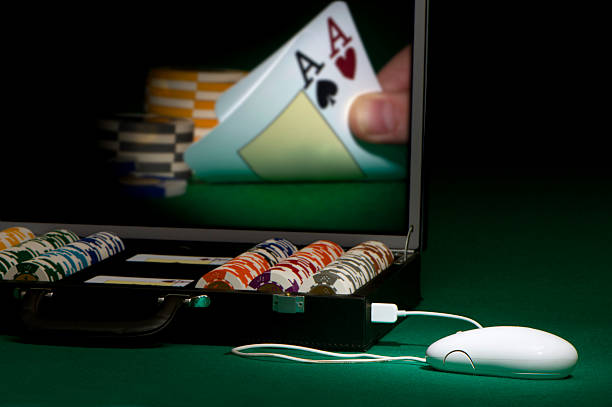
As technology evolves, online gambling platforms are changing the landscape of player behavior. These platforms provide insights into player psychology by allowing for tracking and analysis of betting habits. The accessibility of online casinos makes it easier for players to engage without the social pressures found in traditional settings.
Online platforms utilize data-driven strategies to personalize the gambling experience, making targeted recommendations and tailored promotions that resonate with individual players. This personalization enhances user experience but also raises concerns about addiction and responsible gambling. Understanding the psychology behind these choices is crucial for both players and operators to foster a healthier gambling environment.