

The Thrill of Anticipation
The psychology of winning at the casino often begins with the thrill of anticipation, which is a powerful driver of human emotion. When players step into a casino, they are not merely engaging in a game of chance; they are entering an environment filled with excitement and the possibility of life-changing wins. This emotional build-up can lead to a heightened state of arousal, increasing the likelihood of making impulsive bets in hopes of hitting the jackpot. In many cases, this ties into the allure of online gaming, where you can discover the best online casinos australia offers right from the comfort of your home.
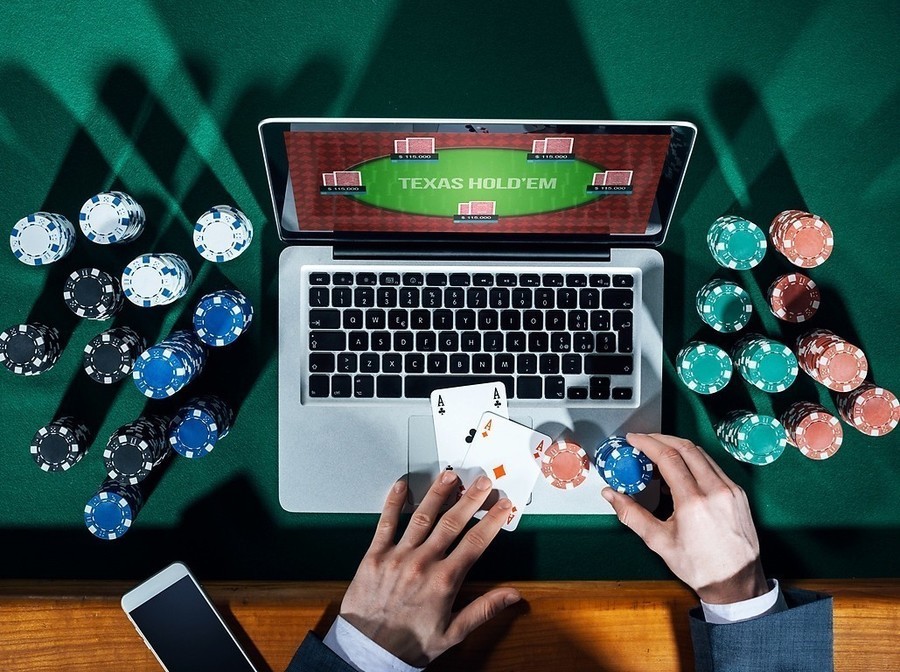
This anticipation is further fueled by the design of casinos themselves, which often incorporate bright lights, vivid colors, and captivating sounds. These elements serve to create an atmosphere that stimulates excitement and encourages players to stay longer, gambling more than they initially intended. Understanding this psychological manipulation allows us to see how the environment can profoundly influence betting behavior.
The Role of Cognitive Biases
Another crucial aspect of casino psychology is the prevalence of cognitive biases, which can distort a player’s perception of winning and losing. One common bias is the “gambler’s fallacy,” where individuals believe that past outcomes affect future results. For example, if a roulette wheel has landed on red several times in a row, a player might wrongly assume that black is “due” to happen next. This misjudgment can lead to increased betting on irrational assumptions.
Additionally, the illusion of control is significant in a casino setting. Many players feel they can influence outcomes through strategies or rituals, even in games like slot machines or roulette that are entirely based on chance. This false sense of control can create a stronger emotional attachment to the gambling experience, allowing players to rationalize losses and continue gambling, expecting that their next bet could be a win.
The Influence of Social Interaction
Social dynamics play a vital role in the psychology of winning at casinos. Many gamblers thrive on the social aspects of playing in a casino environment, as it fosters a sense of community and shared experience. Interaction with other players can enhance the enjoyment of the games and create an atmosphere of collective hope and excitement when a player starts winning.
Moreover, the presence of friends or fellow gamblers can sometimes lead to poor decision-making, driven by the desire to fit in or impress others. This social pressure can result in higher bets, overlooking the fundamental aspects of responsible gambling. Recognizing how social influences can impact individual choices is crucial for understanding gambling behavior.
The Aftermath of Winning and Losing
The psychological impact of winning and losing at the casino can lead to complex emotional responses. Winning can create feelings of euphoria, boosting self-esteem and reinforcing the belief in one’s luck. This positive reinforcement can encourage further gambling, as individuals may chase the high of a win in hopes of replicating the experience.
On the other hand, losing can evoke a range of negative emotions, including disappointment, frustration, and regret. This emotional fallout often leads to the dangerous cycle of “chasing losses,” where gamblers continue to bet in an attempt to recover lost funds. Understanding these emotional repercussions highlights the importance of responsible gambling practices to maintain a healthy relationship with gaming.

Connecting with the Cinematic Arts Community
This exploration of the psychology behind winning at casinos complements the activities of a vibrant community dedicated to cinematic arts. As filmmakers and audiences gather at various film festivals, the thrill of presenting and experiencing new narratives can parallel the excitement found in gaming environments. Both arenas rely on the psychological engagement of their participants, whether through storytelling or the unpredictability of chance.
The interplay between gambling and cinema serves to remind us that both practices engage emotional responses and human behaviors in significant ways. As enthusiasts connect over cinematic experiences, they can also reflect on the psychological elements that drive their behaviors, whether in the context of filmmaking or gambling, fostering deeper insights into the nature of entertainment and human experience.