

The psychology behind why we gamble Understanding the thrill and the risk
The Allure of Risk and Reward
The psychology behind gambling is deeply rooted in the thrill of risk and the potential for reward. At its core, gambling activates the brain’s reward system, releasing dopamine, a neurotransmitter associated with pleasure. This biochemical response can create a euphoric sensation, encouraging players to take more risks in pursuit of that high. The unpredictable nature of gambling adds to its excitement, as players are often drawn to the possibility of a life-changing win. If you’re looking for online options, reputable ezeewallet casinos can enhance your experience.
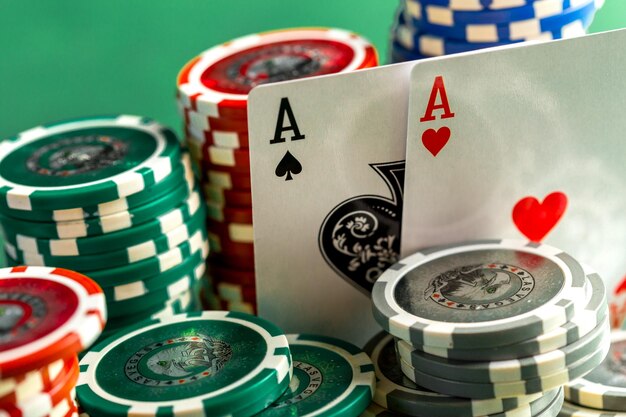
Moreover, the thrill of gambling lies not just in winning, but in the entire experience. From the sounds of slot machines to the anticipation of a dice roll, every element contributes to the heightened emotional state that many find irresistible. The combination of uncertainty and excitement drives individuals to gamble repeatedly, seeking that exhilarating rush that accompanies each game.
The Role of Cognitive Biases
Cognitive biases significantly influence gambling behaviors. One prevalent bias is the illusion of control, where players believe they can influence the outcome of games based on skill or strategy. This belief can lead to overconfidence, prompting individuals to gamble more frequently, despite the inherent randomness of most gambling games.
Additionally, confirmation bias plays a crucial role in how gamblers perceive their wins and losses. Players often focus on their winning moments while downplaying or forgetting their losses, creating a distorted sense of success. This selective memory reinforces their gambling habits, as they become convinced that they can replicate their lucky streaks. Understanding these cognitive biases is vital for grasping why gambling can become such a compelling and often harmful activity.
The Social Aspect of Gambling
The social environment surrounding gambling also contributes to its appeal. Many individuals enjoy visiting casinos or participating in online gambling platforms that offer social interaction. The communal aspect of these experiences, whether through shared excitement at a casino or engaging with fellow players online, fosters a sense of belonging and community.
Furthermore, social influences can enhance a person’s desire to gamble. Friends and family who engage in gambling can normalize the behavior, making it more acceptable and enticing. This social reinforcement can propel individuals into gambling activities, as they seek to bond with their peers over shared experiences and potentially exciting outcomes.
Consequences of Gambling Behavior
While the thrill of gambling can be captivating, it is essential to acknowledge its potential consequences. Many individuals who gamble do so responsibly; however, for others, the compulsion to gamble can lead to severe financial and emotional distress. Problem gambling can disrupt relationships, impact mental health, and result in significant monetary losses.
Recognizing the signs of problematic gambling is crucial for individuals and their loved ones. Awareness can lead to timely intervention, helping those affected to seek support and guidance. Understanding the psychological aspects of gambling behavior can empower individuals to make informed choices and cultivate healthier habits around gambling.
Explore Responsible Gambling Resources
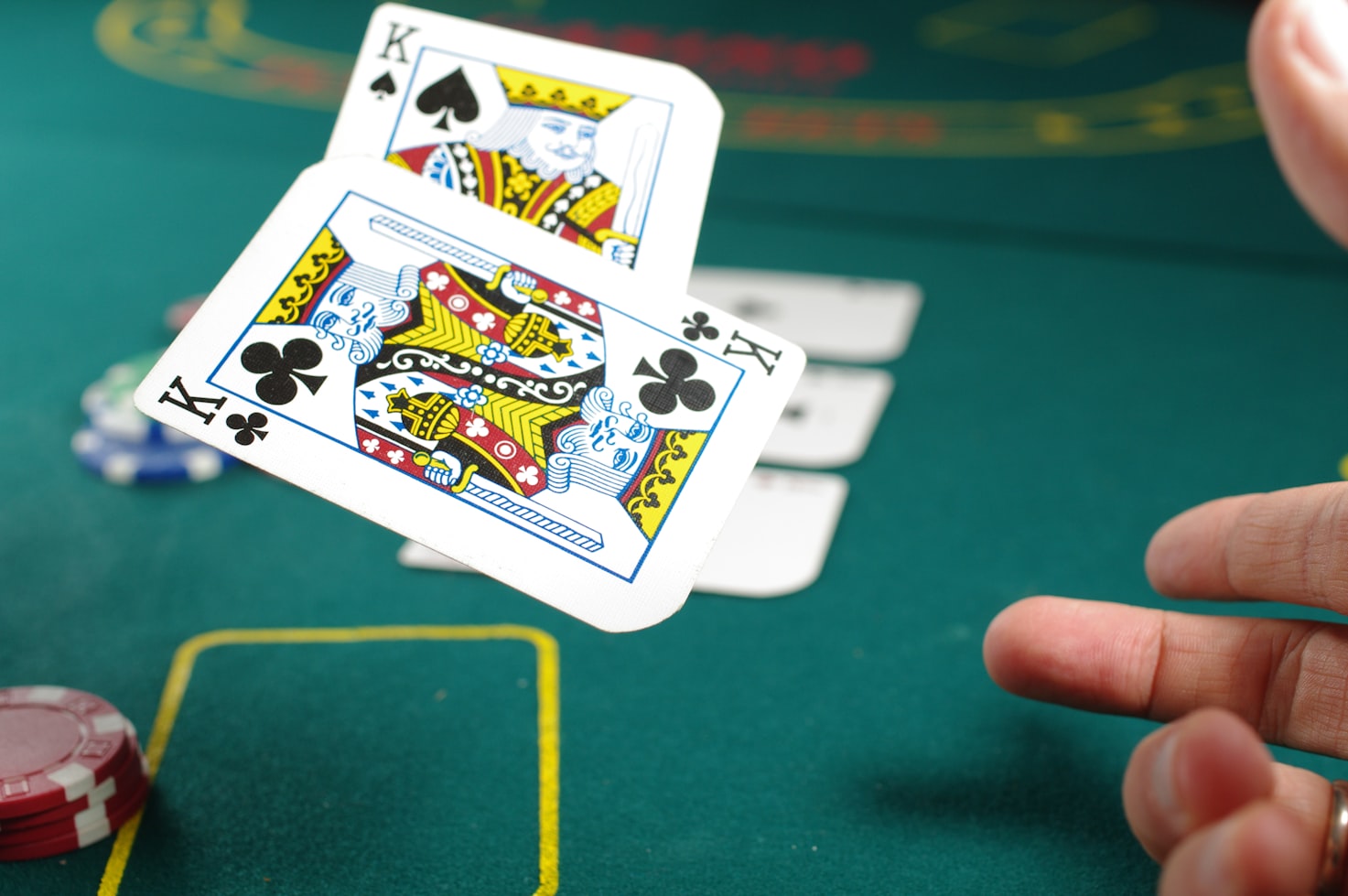
For those interested in gambling, it is vital to approach it with awareness and caution. Numerous resources are available to help individuals navigate their gambling habits responsibly. These platforms often provide valuable information about managing risks and maintaining control over one’s gaming activities.
By promoting responsible gambling, individuals can enjoy the thrill without succumbing to the risks associated with problem gambling. Engaging with supportive communities and utilizing available resources can lead to a more enjoyable and safe gambling experience, ultimately enhancing one’s understanding of the balance between thrill and risk.
Leave a Reply